



Written/Reviewed By:
Flávio DaCosta Esq.
Last Updated: May 18, 2026

Read Time: 2 mins
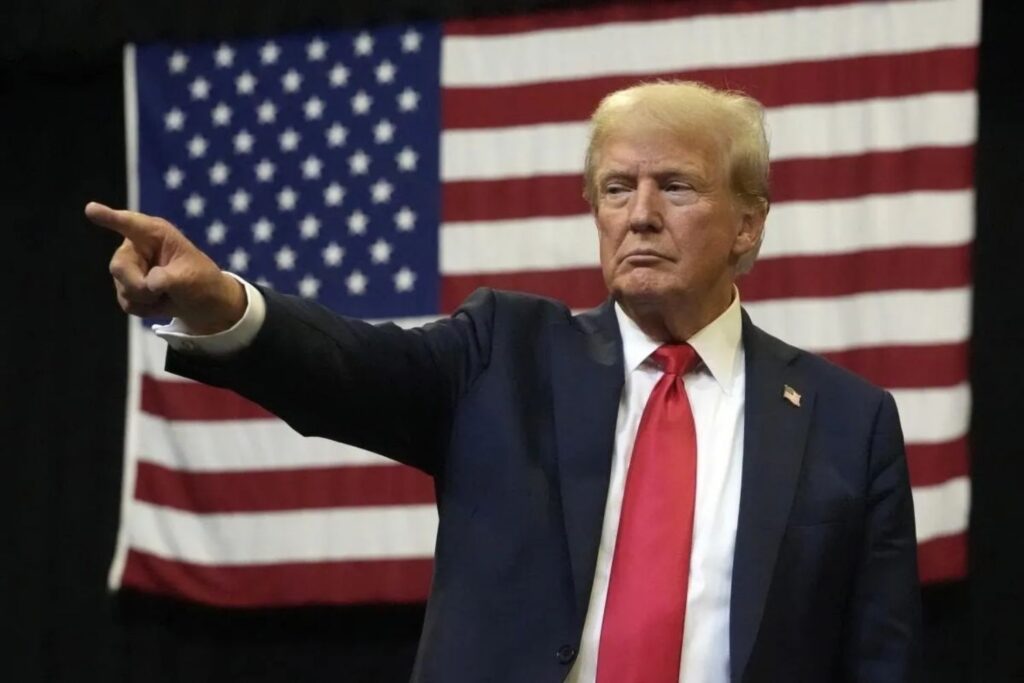
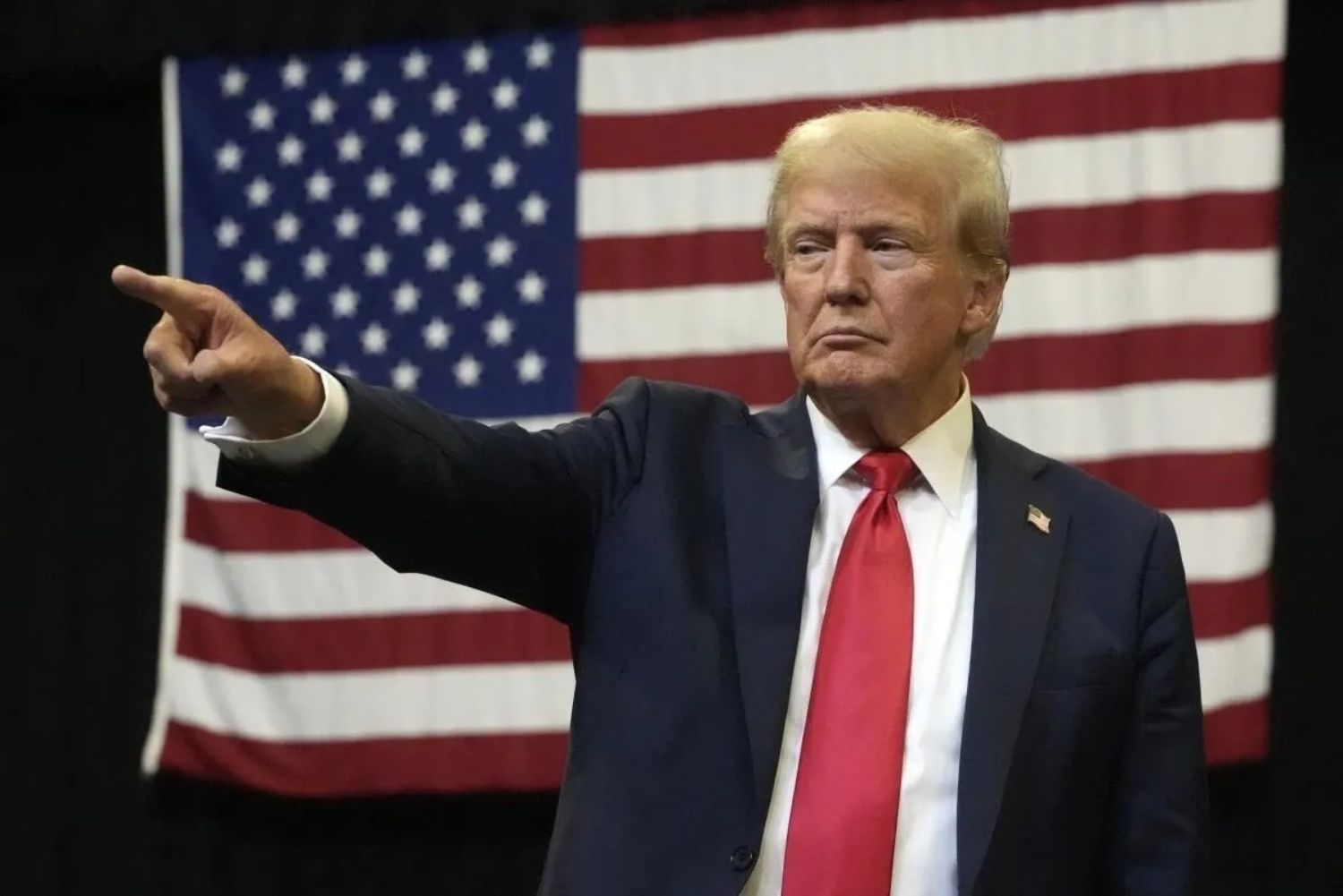
In his victory speech in Florida, Donald Trump made a bold pledge to restore an “era of greatness” for Americans, emphasizing his commitment to implementing stricter immigration policies. “I won’t rest until we return to the golden age, which starts with closing our borders and carrying out widespread deportations,” Trump declared, reinforcing his campaign promises. He warned that if the situation worsens, the U.S. will have no choice but to close its borders completely and prevent further immigration.
With the support of incoming Vice President JD Vance and key Republican allies, who reclaimed control of the Senate, Trump reaffirmed his “America First” agenda. He argued that his “strong mandate” gives him the authority to take drastic actions against illegal immigration. Below, we outline the key elements of Trump’s immigration proposals.
The new administration plans to mobilize multiple government agencies to carry out its promise of deporting millions of undocumented immigrants. This effort could involve military and diplomatic resources to reinforce the agenda. Vice President-elect JD Vance has estimated that the operation could remove as many as 1 million individuals per year, aiming for a record number of deportations. According to Trump’s allies, he will leverage the experience from his first term to pressure states and cities that resist federal immigration policies.
To achieve these ambitious goals, the Trump administration intends to significantly increase funding, expand detention centers, and hire more immigration judges. While Trump and his supporters argue that these measures will enhance security for Americans, critics—such as the American Immigration Council—warn of the immense social and economic costs of such a policy, estimating that deporting all undocumented immigrants over the next decade could cost around $968 billion.
Trump also plans to invoke the “Alien Enemies Act,” a law from 1798 that allows the government to take strict action against foreign nationals during wartime. This statute was last used during World War II to justify the internment of people of Japanese, German, and Italian descent. The potential use of this law could trigger legal challenges, with civil rights groups like the American Civil Liberties Union (ACLU) already preparing to contest its constitutionality.
Stephen Miller, the architect of Trump’s immigration policies during his first term, has suggested that National Guard troops could be deployed to assist with deportations in states that refuse to comply, further escalating tensions between state governments and the federal administration.


