Schedule Case Review
(617) 675-9288
Menu
Schedule Case Review
(617) 675-9288
Menu


Written/Reviewed By:
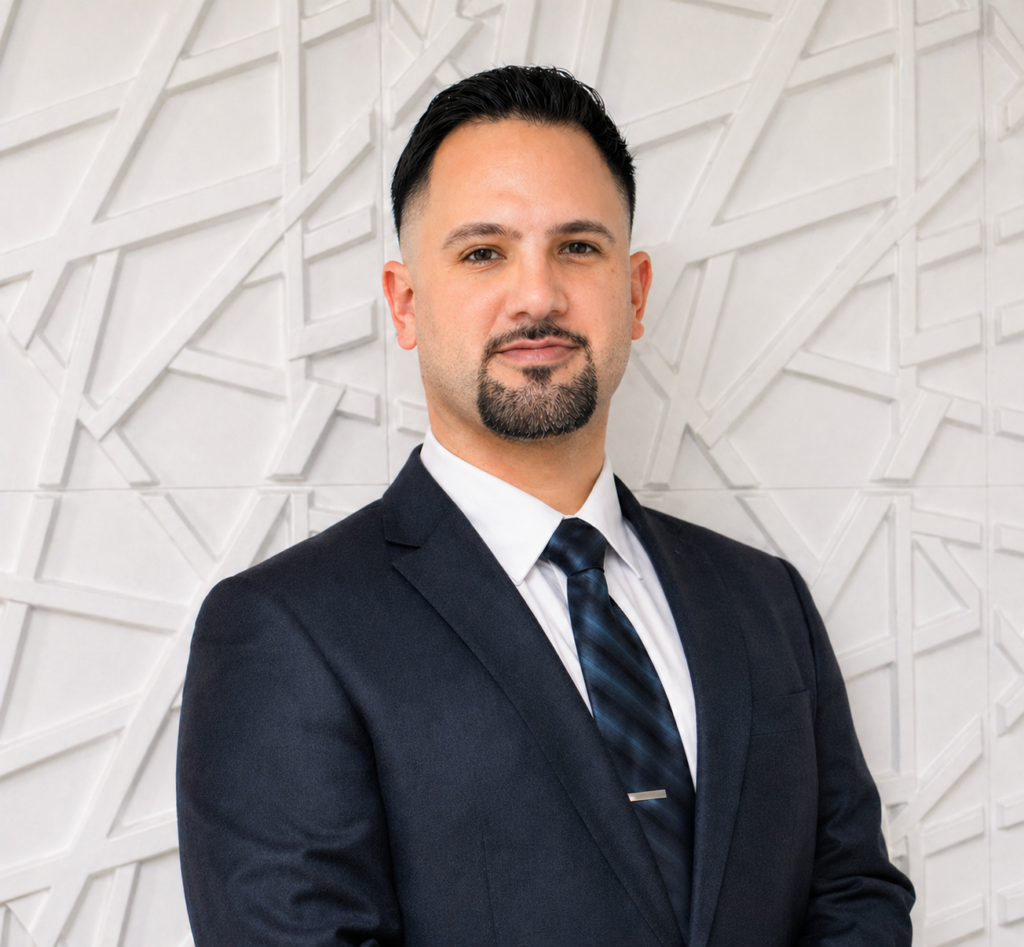
Flávio DaCosta Esq.
Last Updated: Aug 20, 2026

Read Time: 16 mins
If you fled your home country because of persecution, or because you have a well-founded fear that persecution is coming, you may be eligible for asylum in the United States. The process is complex, the filing deadlines are unforgiving, and the stakes could not be higher. A denial can lead to a deportation order sending you back to the country you left.
Our Fall River, MA asylum lawyer represents individuals seeking protection under U.S. law. Whether you are filing an affirmative application with USCIS or defending an asylum claim in immigration court as a response to removal charges, we prepare every case with the level of detail and legal analysis that this area of law demands.
Flavio DaCosta is a first-generation immigrant from Brazil who built his practice around U.S. immigration law. He represents clients in asylum matters, deportation defense, green card petitions, and visa applications, and he is admitted to practice in Massachusetts and Rhode Island.
Flavio is a member of the American Immigration Lawyers Association and stays current on the policy changes that directly affect asylum seekers. That matters because asylum law shifts rapidly and recent changes to how the government processes claims, enforces filing requirements, and applies bars to eligibility mean that what was true about the process six months ago may not apply today.
As an immigration attorney in Fall River, MA, Flavio understands that asylum cases involve more than paperwork. They involve people who have experienced real harm, who are navigating a new country and often a new language, and who need an advocate they can trust.
Derek Ethier is an associate at the firm who is licensed in Rhode Island and has a strong commitment to family-based immigration and protection cases. He assists with case preparation in removal proceedings where asylum is raised as a defense, and he works closely with clients to compile the documentary evidence and personal declarations that these cases require. His patience is particularly valuable when clients are dealing with the trauma of the experiences that brought them here.
⭐⭐⭐⭐⭐
“We’ve had an amazing experience with all of the staff for my brother’s case. They were so professional, supportive and patient throughout the whole process. We recommend their services to anyone in need of assistance.” — Carina Cruz-Reis
Read more reviews on our Google Business Profile.
Asylum cases arise in different procedural contexts, and the path to protection depends on your circumstances — how and when you entered the country, and whether the government has already initiated proceedings against you.
Under INA § 208, you may apply for asylum if you are physically present in the United States, regardless of how you entered. The application must generally be filed within one year of your last arrival, though exceptions exist for changed circumstances or extraordinary circumstances that caused the delay.
The one-year deadline is one of the most common reasons asylum cases fail. Many people do not learn the deadline exists until they consult an attorney after the window has already closed. If you believe you qualify for an exception, you must still file within a reasonable time after the circumstances that triggered it, and proving that reasonableness is itself a legal argument that requires careful presentation.
Asylum applicants submit Form I-589 along with a detailed personal statement, supporting evidence, and country condition reports from credible sources. The personal statement is arguably the most important document in the case because it is your own account of what happened and why you need protection, and any inconsistencies between that statement, your testimony, and your supporting documents will be scrutinized closely.
In Massachusetts, affirmative asylum interviews are typically scheduled at the Boston asylum office, and defensive cases are heard at the Boston Immigration Court. Wait times for both can stretch to years. Federal law also requires asylum applicants to bring their own interpreter to the USCIS interview if they are not fluent in English which is a requirement that has been mandatory since September 2023.
Recent legislation has also affected the landscape. The Laken Riley Act (P.L. 119-21) expanded mandatory detention for certain noncitizens, and while it primarily targets individuals with specific criminal arrests, it reflects a broader enforcement shift that touches how asylum seekers are treated upon encounter with immigration authorities.
Immigration judges must consider all credible testimony when deciding asylum cases, and your personal account carries significant weight. But it only carries weight if it holds up. Inconsistencies between your testimony, your written statement, and your documents can undermine an otherwise strong claim, and we work with clients to identify and resolve those issues before the hearing.
The conditions in your home country form the backdrop of your case. If you are claiming persecution based on political opinion, for instance, we need evidence showing that people with your views face real danger in your country. We compile reports from the U.S. Department of State, human rights organizations, and credible news sources tailored to the specific protected ground in each case.
Asylum can be granted based on testimony alone, but the stronger cases include corroboration with medical records showing injuries, police reports, photographs, letters from witnesses. The government may argue that certain evidence was reasonably available and should have been submitted, and we address this proactively by gathering as much supporting evidence as the case allows.
Affirmative interviews are conducted by a USCIS officer and are relatively informal. Defensive hearings are a different matter as they involve sworn testimony, cross-examination by a government trial attorney, and a ruling by the judge based on the complete record. In both settings, preparation is essential. We review the application with the client, discuss likely questions, and conduct practice sessions.
If you are granted asylum, your spouse and unmarried children under 21 who are in the United States may also receive asylum status. Family members abroad may be able to join you through the follow-to-join process. We advise on both pathways.
Asylum applicants can apply for work authorization 150 days after submitting their application. We track these timelines and help clients file when eligible, because the ability to work legally is often essential to supporting yourself and your family while the case is pending.
If you need an asylum attorney in Fall River or southeastern Massachusetts, do not wait. The one-year filing deadline applies from the date of your last entry, and delays can be costly.
Contact us to schedule a consultation. We will review your situation, assess your eligibility for asylum or other protection, and begin developing a strategy for your case. We serve clients in Fall River, MA, throughout Bristol County, and in Rhode Island.
 Fall River draws people from Portuguese-speaking countries, Central America, and parts of Asia, and among them are families who left because staying had become dangerous. Those cases arrive at our office in two very different postures. Some clients are filing on their own initiative with the asylum office. Others are already in court, raising protection as a defense, and the government is opposing them. Which posture applies usually has less to do with the strength of the claim than with how a person entered the country and whether anyone has filed paperwork against them yet.
Federal figures show how uneven those two routes are. More than half of all asylum grants each year come out of immigration court rather than the asylum office, which means the majority of successful claims are decided after adversarial hearings rather than interviews. That distinction shapes how our asylum lawyer in Fall River, MA prepares a file from the first meeting forward. We build every case as though a judge will eventually read it, even when it starts with an interview. Evidence gathered for an affirmative filing carries over if the case is referred, while a thin record assembled for a conversation becomes a liability once a government attorney begins cross-examining.
Asylum is proved with paper as much as with testimony. Clients often arrive believing their file is thin because they fled without packing, and that is rarely fatal. Much of what a case needs can be reconstructed, and part of our work is obtaining records from consulates, hospitals, and courts in countries clients cannot safely contact themselves. The list below is not a checklist to complete before calling us. It is what a complete file tends to contain by the time it is filed.
Removal matters, where defensive asylum claims are heard, start at $2,000 at our firm. Affirmative filings are quoted after we review your history and the evidence available. Every fee is agreed in writing before work begins, and nothing is added later.
No. Consultations are $200. In that meeting we go through how and when you entered, what happened to you, and what proof exists or can be obtained. You will leave with a candid read on your eligibility, including the difficult parts, whether or not you retain us.
Not necessarily. Exceptions exist for changed circumstances and for extraordinary circumstances that explain the delay, and other forms of protection carry no filing deadline at all. What matters is acting quickly once you learn where you stand.
Asylum applications are confidential, and the government is restricted in disclosing them to the country you fled. That protection is one reason we discourage discussing a pending claim publicly or on social media. If you have specific fears about relatives still at home, raise them at the consultation so we can plan around them.
A referral is not a denial. Your claim is heard again before an immigration judge, this time with testimony under oath and a government attorney cross-examining you. Many cases succeed at this stage. The record built at the interview follows you, though, which is why the initial filing deserves the same care as a hearing.
Not without authorization, and returning to the country you fled will damage the claim badly. Even travel elsewhere requires advance permission, and leaving without it can end the application. Discuss any planned trip with a Fall River asylum attorney well before booking anything.
Years, in most instances. Interview scheduling and hearing dates in this region both run long, and cases are frequently reset. Detained cases move much faster. We give timelines based on how the offices handling your file are currently operating.
It depends on the offense. Certain convictions bar asylum outright, others complicate it without ending it, and some have no bearing at all. Bring the complete record, including anything from your home country, to the first meeting. An accurate assessment is impossible without it.
You may work, and you can apply for permanent residence one year later. Your spouse and unmarried children under 21 in the United States may receive status through your grant, and relatives abroad may be able to join you. Family members already here should be identified in the original filing where possible.
No, though each one needs a certified English translation before filing. We handle translation coordination as part of case preparation, and we review documents in their original language first so that nothing meaningful is lost before the translator ever sees them.
Affirmative claims from Bristol County are interviewed through the Boston asylum office, and defensive claims are heard at the immigration court in Boston. Both mean travel, and both mean waiting. Applicants should also know that the asylum office does not take walk-ins and does not provide information services in person, so a trip made in hope of an update accomplishes nothing. Case status is checked online with the receipt number issued after filing. Keeping your address current with every office holding your file matters more than most applicants realize, since interview notices and evidence requests arrive by mail and the deadlines run whether or not the letter reached you.
The organizations below serve asylum seekers in Massachusetts. They are listed for informational purposes only. Flavio DaCosta Law does not endorse and is not affiliated with any organization named here.
Our firm has represented clients whose claims rested on religious persecution, on violence directed at them for their sexual orientation, and on years of abuse they could not escape at home, and those cases ended with protection and the right to stay. Flavio DaCosta founded the firm after more than five years concentrating on immigration matters, and he is admitted in Massachusetts, Rhode Island, and the federal district court for the First Circuit. The attorneys here work in English, Portuguese, and Spanish, which shapes how declarations get drafted.
⭐⭐⭐⭐⭐
“Attorney Flavio DaCosta is highly recommended. He is an amazing attorney that is there for you and your not just for money. He helps you understand what’s going to happen step by step and is very understanding. If there was a 100 stars I would it to him and his team.” – Christina Cordeiro
Read more reviews on our Google Business Profile.
Protection claims are won on the strength of the record, and building that record takes longer than most applicants expect. Consultations with a Fall River, MA asylum attorney are $200, and any fee that follows is set in writing beforehand. We will go through your history, tell you honestly where the claim is strong and where it is not, and identify what evidence still needs to be gathered. Contact us to schedule a time. We represent clients across Fall River, Bristol County, and Rhode Island, in English, Portuguese, and Spanish.


