


Written/Reviewed By:
Flávio DaCosta Esq.
Last Updated: May 18, 2026

Read Time: 3 mins
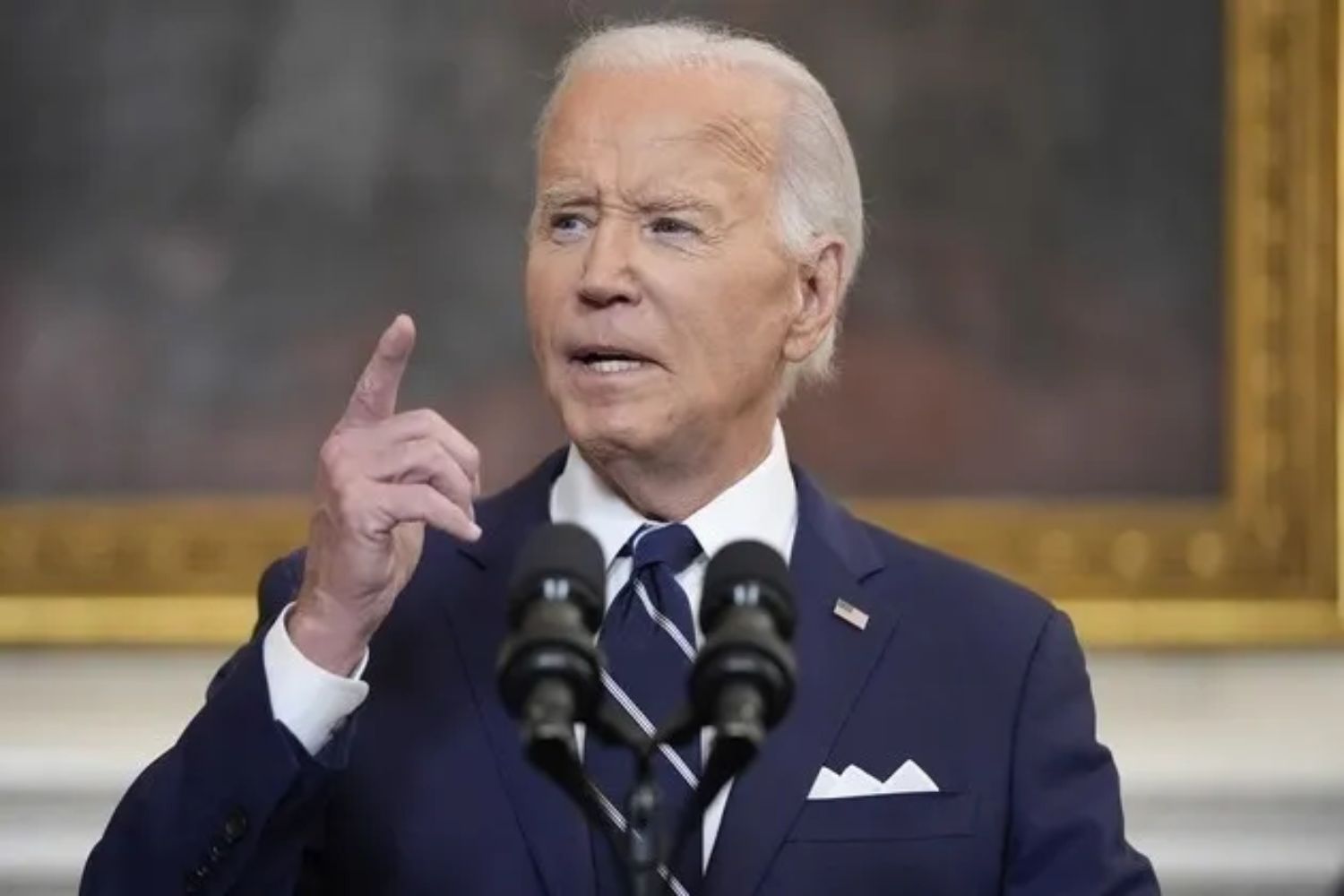
In a significant policy shift, the Biden administration has announced the extension of stringent asylum restrictions at the southern border, quadrupling the duration during which these measures will remain in effect. As of Monday, the U.S. Department of Homeland Security (DHS) and the U.S. Department of Justice confirmed that the bar on asylum for individuals crossing the border illegally will now last until the average daily crossings drop below 1,500 for a sustained period of 28 consecutive days, an increase from the previous seven-day requirement.
This decision is part of the administration’s broader strategy to manage migration and asylum claims more effectively. According to DHS, the extended timeframe is designed to ensure that any lifting of the restrictions occurs only after a sustained decrease in border crossings, rather than as a result of temporary fluctuations. “The final rule will be in effect during times when high levels of encounters exceed our ability to deliver timely consequences,” the department explained.
The new regulations maintain a heightened standard for asylum claims, a measure first introduced in a June interim rule. This rule temporarily barred the entry of noncitizens at the southwestern border and imposed a stricter threshold for asylum eligibility for individuals crossing between ports of entry. Certain exemptions remain, including for lawful permanent residents, unaccompanied minors, victims of trafficking, and those with valid travel documents.
Notably, the latest update revises how daily crossings are calculated by including unaccompanied migrant children arriving from non-bordering countries. Previously excluded, these children are now factored into the total count, which DHS argues provides a more accurate reflection of border management challenges.
The administration has touted the effectiveness of these asylum restrictions, citing a reported 55% decrease in average daily encounters between ports of entry since the initial policy was implemented in June. DHS has claimed that the new measures have also contributed to a significant increase in the removal of migrants who do not qualify for protection.
However, the policy has drawn sharp criticism from human rights organizations and immigration advocates. Groups such as the American Civil Liberties Union (ACLU) argue that these measures undermine the U.S.’s obligations under both domestic and international law to allow individuals to seek asylum, regardless of their entry point into the country. Omar Jadwat, director of the ACLU’s Immigrants’ Rights Project, stated that the policy disregards the fundamental principle that individuals fleeing danger should not have to navigate a complicated system to seek safety.
Similarly, Amy Fischer, director of Refugee and Migrant Rights at Amnesty International USA, condemned the administration’s approach, accusing it of adhering to “deadly deterrence policies” that exacerbate the vulnerabilities of those seeking refuge in the United States.
In the final rule, the administration acknowledged the backlash, noting that it received over 1,000 comments on the interim rule, most of which were negative. While DHS maintains that the new rules do not entirely close the door on asylum claims, critics argue that the heightened restrictions significantly impede access for those in need.
Looking ahead, the administration is considering expanding a related policy that presumes asylum ineligibility for those who enter the U.S. between ports of entry or do not first seek protection in a third country. Public feedback is being solicited regarding the application of this presumption to individuals entering from the southern border, further illustrating the administration’s complex approach to immigration and asylum at a time of heightened scrutiny and debate.
As the situation unfolds, the implications of these expanded restrictions will likely continue to be a focal point of contention among advocates, policymakers, and those seeking asylum in the United States.


