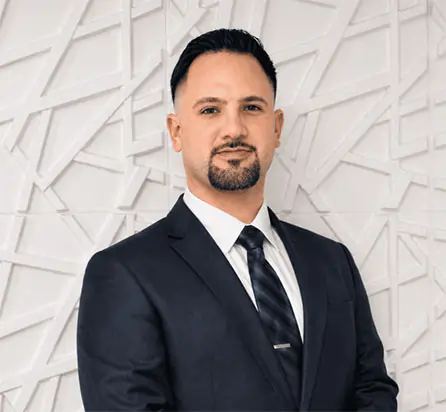
Written/Reviewed By:
Flávio DaCosta Esq.Last Updated: May 18, 2026
Read Time: 2 mins
Recent developments over the past week signal a noticeable escalation in immigration enforcement across the United States, reinforcing trends that have been emerging since the start of 2026. Federal actions, legislative proposals, and growing public debate are contributing to a climate of heightened scrutiny affecting immigrants, students, and legal professionals alike.
One of the most significant updates involves expanded operational flexibility for Immigration and Customs Enforcement (ICE) during immigration status reviews. In practice, the shift allows certain non-citizens including some individuals with pending or lawful processes to face detention while additional background checks are conducted. Advocacy groups argue the approach represents a departure from prior norms, while federal authorities frame it as part of broader screening and compliance efforts.
At the local level, several major cities traditionally supportive of immigrant communities have taken steps to limit cooperation with federal immigration operations. Municipal leaders are exploring policies that restrict the use of local resources in enforcement activities and increase oversight of ICE operations, intensifying the ongoing tension between federal and local immigration priorities.
Meanwhile, lawmakers have introduced proposals aimed at restricting the expansion of large immigration detention facilities. The debate centers on whether the federal government should be able to convert commercial or industrial spaces into large-scale detention centers without local approval. The issue highlights the growing centrality of detention policy within the national immigration conversation.
In the academic sector, universities have issued clearer guidance encouraging international students to carry immigration documentation and keep records updated amid increased enforcement visibility. Experts interpret these recommendations as a response to uncertainty among temporary visa holders navigating an evolving regulatory environment.
Individual cases reported in recent days including travelers with valid visas experiencing prolonged secondary inspections or detention have further fueled public discussion about consistency in border screening procedures and the discretionary nature of enforcement decisions.
At the same time, advocacy organizations have renewed protests against the detention of families and children following discussions about reopening or expanding certain facilities. Human rights groups warn about long-term social impacts, while federal officials emphasize operational necessity.
Taken together, this week’s developments point to three key trends: stronger enforcement activity, intensifying political conflict between levels of government, and an increase in anticipated immigration litigation. Legal professionals expect court challenges and regulatory adjustments to play a major role in shaping the next phase of U.S. immigration policy throughout 2026.
Why Flavio DaCosta Law?
Immigrant Founded
Results You & Your Family
Can Trust
Falamos Portugues &
Hablamos Español
Send Us a Message