Written/Reviewed By:
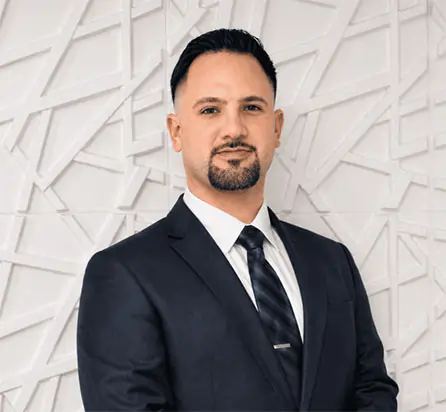
Flávio DaCosta Esq.Last Updated: May 18, 2026
Read Time: 3 mins
This week, the U.S. Supreme Court issued a decision that effectively opens the door to racial profiling in immigration enforcement. In a 6-3 ruling, the Court granted the Trump administration’s emergency request in Vasquez Perdomo v. Noem, lifting a lower court order that had blocked ICE agents from conducting “roving patrols” and stopping people based on appearance, language, occupation, or location.
The immediate consequence is clear: ICE and Border Patrol agents now have broad authority to stop individuals they suspect of being undocumented even if race plays a central role in that suspicion. Critics warn that this could affect not only undocumented immigrants but also U.S. citizens and lawful residents who are targeted simply because they are Latino, speak Spanish, or work in low-income jobs.
Justice Sonia Sotomayor, writing in dissent, cautioned that this ruling risks turning Latinos into second-class citizens. She wrote: “We should not have to live in a country where the Government can seize anyone who looks Latino, speaks Spanish, and appears to work a low wage job. Rather than stand idly by while our constitutional freedoms are lost, I dissent.”
The reaction was swift. Civil rights advocates, immigrant communities, and Democratic leaders denounced the decision. Los Angeles Mayor Karen Bass accused the Court of legitimizing racial targeting, while California Governor Gavin Newsom warned that the conservative majority has become “Trump’s enforcers of racial terror.” Immigrant rights groups like the ACLU pledged to continue fighting in the courts, pointing out that this order is temporary and does not settle the case on its merits.
Meanwhile, ICE raids in Los Angeles known as Operation At Large have already left communities on edge. Reports describe heavily armed agents stopping people at car washes, bus stops, and home improvement stores, often without clear identification. Hundreds have been detained, and fear is spreading, with many residents avoiding public spaces or even cultural events like Mexican Independence Day celebrations.
Legal scholars point out that the decision marks a dramatic departure from earlier precedent, such as United States v. Brignoni-Ponce (1975), when the Court ruled that “Mexican appearance” alone could not justify a stop. By contrast, this new ruling suggests the Court is willing to accept race, language, and job type as valid factors for suspicion. Critics warn that it undermines Fourth Amendment protections and paves the way for systemic discrimination.
Although the ruling is temporary, it signals how the Court may lean in the future. As the Trump administration expands raids to other cities, the decision emboldens ICE to act more aggressively. For immigrant communities, it represents a turning point one that underscores the urgent need to defend civil rights and resist the normalization of racial profiling in America.
Why Flavio DaCosta Law?
Immigrant Founded
Results You & Your Family
Can Trust
Falamos Portugues &
Hablamos Español
Send Us a Message