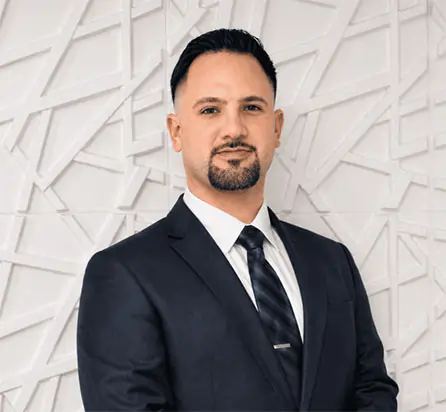
Written/Reviewed By:
Flávio DaCosta Esq.Last Updated: May 18, 2026
Read Time: 3 mins
The Trump administration has announced that up to 600 military lawyers will temporarily serve as immigration judges, a move aimed at reducing the massive backlog in immigration courts but one that is already raising serious questions about legality, fairness, and due process. The Department of Defense confirmed that the lawyers, including reservists, will be detailed to the Department of Justice for up to 179 days, with possible extensions. They will receive between two to six weeks of training before presiding over cases that often carry life-or-death consequences for asylum seekers and immigrants.
The U.S. immigration court system is facing an unprecedented crisis, with more than 3.5 million pending cases and only about 600 active judges, following the dismissal or resignation of over 100 judges during Trump’s first months back in office. By appointing temporary judges from the military, the administration can bypass the congressional cap that limits the number of immigration judges to 800. Critics argue this maneuver exploits a loophole and undermines the structure Congress intended, potentially opening every decision to legal challenges on constitutional grounds, including the appointments clause and due process violations.
Immigration attorneys and advocacy groups have strongly condemned the move. The American Immigration Lawyers Association compared it to “having a cardiologist perform hip surgery,” highlighting the complexity of immigration law and the risks of entrusting it to lawyers trained primarily in military codes rather than asylum and humanitarian protection. Former supervisory judge Jennifer Peyton, who oversaw training in Chicago, expressed skepticism that military attorneys could meaningfully absorb the intricacies of immigration law in just a few weeks.
Legal experts also warn that because these judges will come from a military background, questions of independence and impartiality could arise. Some fear they may be more inclined to follow executive directives rather than apply immigration law neutrally, a concern heightened by Trump’s aggressive push to accelerate deportations. Opponents argue that this creates not just a perception problem but a real risk that immigration hearings could become politicized, with outcomes dictated more by presidential agenda than by judicial independence.
Supporters of the plan, however, frame it as a practical solution to a broken system. With millions of people waiting years for their day in court, the administration argues that extraordinary measures are necessary to restore order and efficiency. Yet, critics counter that adding judges without the proper legal expertise is less a solution and more a tactic to give the appearance of action while setting the stage for chaotic appeals in federal court.
Ultimately, the decision to appoint military lawyers as immigration judges underscores the growing tension in America’s immigration system: a conflict between the demand for speed and the obligation to ensure fairness. While the move may temporarily expand capacity, it risks eroding trust in the courts and could trigger a wave of appeals that further bog down the already overwhelmed system.
Why Flavio DaCosta Law?
Immigrant Founded
Results You & Your Family
Can Trust
Falamos Portugues &
Hablamos Español
Send Us a Message