



Written/Reviewed By:
Flávio DaCosta Esq.
Last Updated: May 18, 2026

Read Time: 3 mins
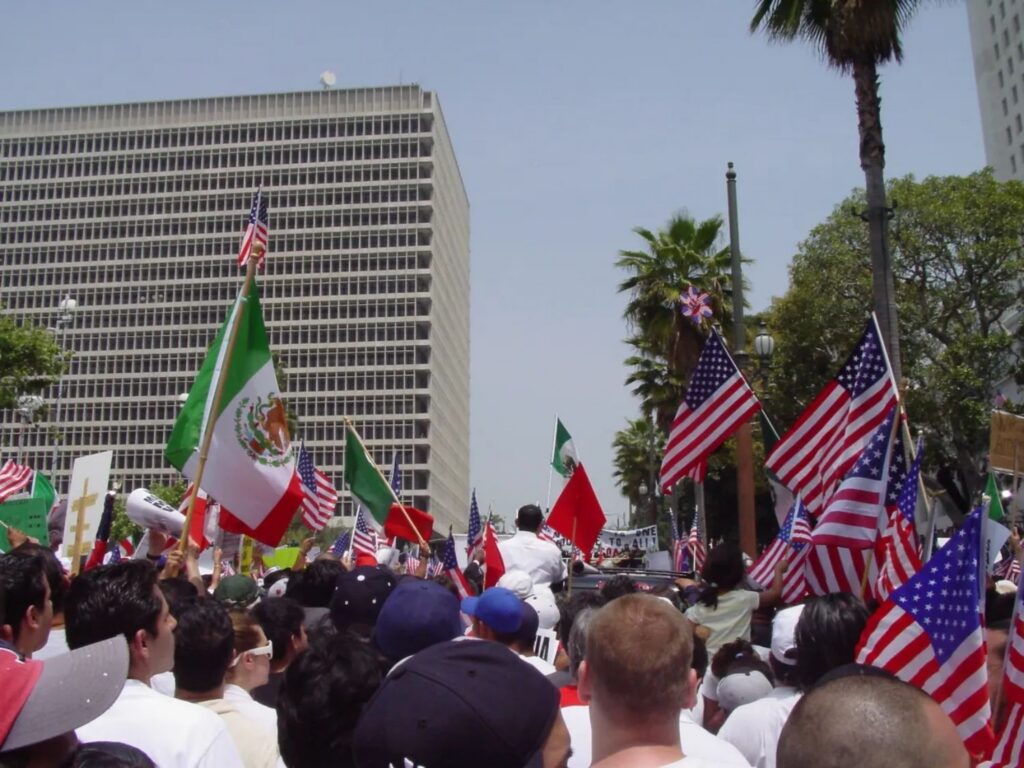

On October 10, the Fifth Circuit Court of Appeals in New Orleans, Louisiana, held oral arguments regarding the Deferred Action for Childhood Arrivals (DACA) initiative. The court is tasked with determining the legality of DACA, which could lead to another significant Supreme Court battle.
The outcome of this case stands to affect the lives of over 500,000 undocumented young adults brought to the U.S. as children.
Currently, DACA recipients can renew their status every two years. While U.S. Citizenship and Immigration Services is still accepting initial applications and filing fees, processing and approval of new applications remain on hold.
As someone connected to the DACA community, it is impossible to ignore the plight of those waiting for their first-time applications to be resolved. DACA has been a double-edged sword. It has opened doors, enabling many to pursue higher education, obtain driver’s licenses, and secure legal employment. However, it also highlights the absence of a pathway to citizenship and leaves individuals vulnerable to sudden changes in policy.
Initiated under the Obama administration in 2012, DACA was designed to provide relief for many undocumented immigrants who came to the U.S. as children. Despite its benefits, the program has faced ongoing legal challenges. In 2023, U.S. District Judge Hanen ruled it unlawful, allowing current recipients to renew their status but preventing the approval of new applications, leaving countless individuals in limbo.
The potential termination of DACA would have serious economic ramifications. Recent data indicates that DACA-eligible individuals contribute billions to the U.S. economy, with over 96% currently employed. The work authorization afforded by DACA enables recipients to pursue better education and job opportunities, enhancing their financial contributions to their communities. This boost in income also leads to increased tax revenues, benefiting local, state, and federal economies. Moreover, DACA recipients have proven to be entrepreneurial, with around 73,000 having started their own businesses, creating jobs for others.
The implications extend beyond economic concerns. The Cato Institute estimates that deporting DACA recipients could cost $60 billion and result in a $280 billion economic loss over the next decade. Additionally, removing DACA recipients would adversely affect local businesses, schools, and economies that rely on their contributions. From teachers to business owners, their absence would create significant voids in communities nationwide.
On a personal level, the impact would be devastating for families across the nation.
This issue transcends policy; it is fundamentally about family unity. Over 250,000 U.S. citizen children have DACA recipient parents, and 1.5 million individuals live in mixed-status families. The termination of DACA could result in heartbreaking separations, leaving children without parents and spouses apart. The emotional burden of such separations is profound, affecting not just the families involved but entire communities.
Furthermore, the constant fear of separation looms over those affected. Having experienced this reality, I understand the pervasive anxiety about family safety. It is distressing to think that more children will endure this cycle of uncertainty and trauma, underscoring the urgent need for congressional action.
The timeline for the Fifth Circuit’s ruling remains unclear; they could rule against DACA once more, jeopardizing the program that supports numerous undocumented individuals.
DACA recipients need lasting protections, not temporary fixes. Congress must act to establish a pathway to citizenship for undocumented youth, eliminating the ongoing uncertainty. Whatever the outcome of the October 10 hearing, any future decision will have lasting consequences for thousands of families. It is essential to pursue meaningful reform rather than waiting in limbo. True security comes only through comprehensive solutions.


