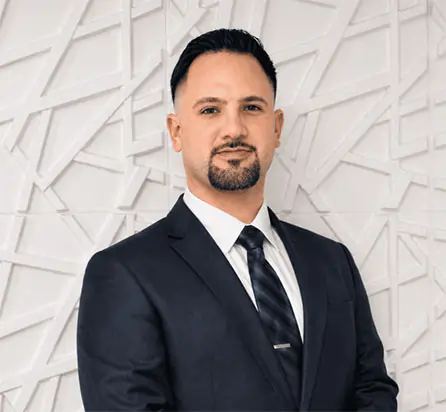
Written/Reviewed By:
Flávio DaCosta Esq.Last Updated: May 18, 2026
Read Time: 4 mins
This week brought a new wave of changes in the U.S. immigration landscape, signals of increasing scrutiny, heightened uncertainty, and a growing gap between political rhetoric and practical reality. These developments are not abstract decisions being made in Washington; they directly affect visa interviews, local enforcement actions, and the conditions faced by detained immigrants across the country.
Obesity as a New Factor in Visa Denials
One of the most impactful updates is the new guidance instructing U.S. consular officers to consider adult obesity and related medical conditions as a potential factor in determining visa inadmissibility under the “public charge” rule. Conditions such as hypertension, respiratory diseases, and other health issues commonly linked to excess weight may now be used as justification to argue that an applicant poses a higher potential burden on the U.S. healthcare system.
This creates a new layer of complexity for many visa applicants, especially those with a detailed or sensitive medical history. Individuals may now need to be more thoroughly prepared with updated medical exams, detailed physician reports, proof of health insurance, and strong financial documentation. For immigration attorneys, this shift requires immediate adjustments in client screenings and preparation strategies, including early identification of medical red flags and assembling stronger evidence to mitigate possible concerns.
Signs of New Enforcement Actions in Local Communities
Tension surrounding interior immigration enforcement has also intensified. Reports from the Charlotte, North Carolina area suggest that a new enforcement operation by CBP may begin as early as this weekend. Although official details are limited as is typical with these operations such initiatives often lead to increased stops, detentions, and widespread fear in immigrant communities.
For individuals living in areas targeted for enforcement, knowing their rights is no longer optional. Understanding that they do not need to open the door without a judicial warrant, knowing their right to remain silent, and having access to legal counsel can make a significant difference during interactions with enforcement agents. Immigration law offices must be prepared with emergency protocols, updated contact lists, and ready-to-share guidance for clients and families who may suddenly face enforcement activity.
Detention Conditions Under Scrutiny in California
Another critical development is a federal lawsuit targeting the largest ICE detention center in California, accusing it of maintaining “inhumane” conditions, including inadequate medical care, extreme cold, overcrowding, insect infestations, and severe barriers to communication with attorneys and family members. These allegations highlight not only a humanitarian crisis but also potential legal leverage for individual cases and collective actions.
For defense attorneys, this reinforces the importance of documenting every detail that detained clients repor medical neglect, food issues, temperature problems, medication delays, or communication restrictions. These details may support requests for release, relocation to another facility, humanitarian measures, or broader litigation. Families reporting such conditions to their attorneys also play a crucial role in building strong, evidence-based claims.
Political Tensions and a Growing Climate of Instability
On the political front, the immigration narrative continues to show contradictions. A recent comment from Donald Trump acknowledging that the United States “needs foreign workers” triggered backlash from the most hardline segments of the MAGA movement. The reaction exposes internal divisions within the conservative base and signals a potentially unpredictable period ahead for immigration policy.
There is a clear conflict between economic reality which demands foreign labor in several key industries and political pressures that reward tough rhetoric on immigration. The result is a more volatile regulatory environment, where rules may tighten or loosen with little warning and often driven by political calculations rather than long-term strategy. For immigrants and employers, this means that planning around visas, workforce needs, or status changes must account for the real possibility of sudden shifts.
Why Flavio DaCosta Law?
Immigrant Founded
Results You & Your Family
Can Trust
Falamos Portugues &
Hablamos Español
Send Us a Message